Introduction to Cultural Experiences
Traveling is more than visiting landmarks or relaxing on beaches; it’s about immersing yourself in the culture of the places you visit. Cultural experiences offer a window into the traditions, beliefs, and lifestyles of communities, providing deeper insights that often challenge our own perspectives. Engaging with local customs, arts, food, and daily routines can profoundly shape how we view the world.
From participating in traditional festivals to learning indigenous crafts, cultural experiences provide authentic connections with people and their heritage. These encounters foster empathy, broaden understanding, and create lasting memories beyond conventional tourism.
Benefits of Cultural Immersion
- Enhanced Understanding: Gain a deeper appreciation for global diversity and different ways of life.
- Personal Growth: Challenge your assumptions and adapt to new perspectives and practices.
- Social Connections: Build meaningful relationships with locals and fellow travelers.
- Skill Development: Learn new languages, cooking techniques, or crafts from local experts.
- Memorable Experiences: Create moments that go beyond sightseeing and photographs.
Top Cultural Experiences Around the World
1. Participating in the Holi Festival, India
Holi, the Festival of Colors, is celebrated across India with vibrancy and joy. Throwing colored powders, dancing, and sharing sweets allows travelers to experience the exuberance of Indian culture firsthand.
- Key experiences: Color fights, traditional music, street food tasting
- Locations: Mathura, Vrindavan, Jaipur
- Best time: March (depending on lunar calendar)
2. Tea Ceremony, Japan
Japan’s traditional tea ceremonies embody mindfulness, precision, and respect. Participating in one teaches patience, ritualistic practices, and an appreciation for Japanese aesthetics.
- Key experiences: Preparing matcha, understanding etiquette, experiencing traditional tea houses
- Locations: Kyoto, Tokyo, Kanazawa
- Best time: Year-round, booking in advance recommended
3. Samba Dancing, Brazil
Brazilian samba reflects the country’s rhythm, energy, and community spirit. Joining a samba class or carnival parade immerses travelers in a lively cultural tradition.
- Key experiences: Samba lessons, Carnival participation, street music exploration
- Locations: Rio de Janeiro, Salvador
- Best time: February to March (Carnival)
4. Cooking Classes with Local Families
Learning to cook traditional dishes in a local home connects travelers to the culture in an intimate way. From Italian pasta-making to Moroccan tagines, culinary experiences reveal history, ingredients, and family traditions.
- Key experiences: Hands-on cooking, tasting local recipes, learning cultural stories behind dishes
- Popular destinations: Italy, Morocco, Thailand, Mexico
- Tips: Choose certified or well-reviewed local hosts for authenticity
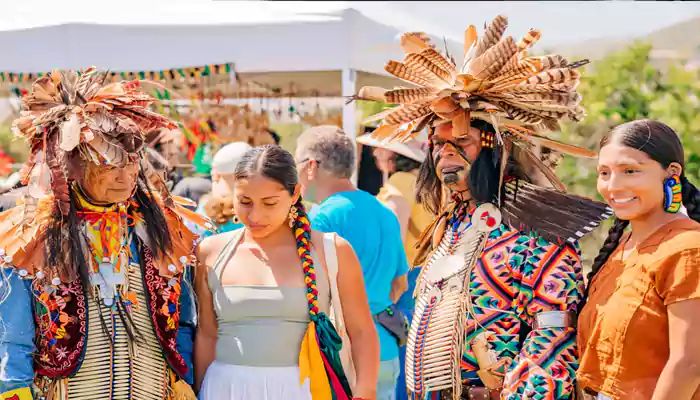
5. Visiting Indigenous Villages
Indigenous communities offer unique insights into traditions, rituals, and ecological knowledge. Respectful visits teach humility, sustainability practices, and the value of oral storytelling.
- Key experiences: Craft workshops, storytelling sessions, nature exploration
- Locations: Amazon Rainforest (Brazil), Maasai villages (Kenya), Aboriginal communities (Australia)
- Tips: Participate under guidance to respect customs and local privacy
6. Attending Traditional Festivals
Festivals showcase music, dance, costumes, and spiritual rituals. Experiencing them allows travelers to understand cultural values and communal joy.
- Examples: Diwali in India, Songkran in Thailand, Carnival in Brazil, La Tomatina in Spain
- Benefits: Observe rituals, participate in local games, enjoy traditional foods
- Tips: Learn festival etiquette to avoid offending locals
7. Participating in Traditional Crafts and Art
Handmade crafts reflect a community’s heritage and techniques passed through generations. Taking part in pottery, weaving, or painting sessions creates a tangible connection to the culture.
- Key experiences: Workshops with artisans, learning traditional methods, creating souvenirs
- Destinations: Morocco, Japan, Peru, India
- Tips: Support local artisans and avoid mass-produced imitation workshops
8. Meditation and Spiritual Retreats
Spiritual retreats, whether Buddhist monasteries in Thailand or yoga ashrams in India, offer reflection, mindfulness, and exposure to philosophical traditions different from your own.
- Key experiences: Meditation sessions, mindfulness exercises, community meals
- Locations: Thailand, India, Nepal, Bali
- Tips: Respect schedules, dress codes, and local rules
9. Exploring Local Music and Dance
Music and dance reveal the heart of a culture. Attending concerts, street performances, or dance workshops connects travelers to emotions, history, and social narratives.
- Key experiences: Flamenco in Spain, Reggae in Jamaica, Gamelan in Indonesia
- Tips: Engage respectfully, ask for permission to record or photograph
- Benefits: Cultural immersion, entertainment, and learning rhythm traditions
10. Learning Local Languages
Even basic language skills enhance cultural interactions. Conversing in a local language demonstrates respect, fosters trust, and deepens connections with communities.
- Key experiences: Language classes, practicing with locals, cultural storytelling
- Destinations: Anywhere with diverse linguistic traditions
- Tips: Use language apps, practice greetings, and learn culturally appropriate phrases
Tips for Meaningful Cultural Experiences
- Research traditions and customs before visiting to show respect.
- Be an active listener and observer rather than only a participant.
- Document experiences through journaling or photography, but always ask permission when needed.
- Support local businesses and artisans to contribute positively to the community.
- Keep an open mind and embrace differences without judgment.
Overcoming Challenges in Cultural Travel
- Language barriers: Learn basic phrases or use translation apps.
- Misunderstanding customs: Ask locals or guides for guidance to avoid offense.
- Adjusting to unfamiliar food: Start gradually and embrace local specialties.
- Respecting privacy: Observe traditions without intruding or interfering.
- Adapting to local living conditions: Be flexible with accommodation and amenities.
Frequently Asked Questions (FAQs)
1. How do I choose which cultural experiences to pursue?
Focus on experiences that align with your interests, respect local customs, and provide meaningful learning opportunities.
2. How can I engage with local communities responsibly?
Participate under guidance, follow etiquette, support local businesses, and avoid actions that could exploit or disrespect the community.
3. Are cultural experiences suitable for solo travelers?
Yes, many cultural activities encourage interaction with locals and other travelers, creating a safe and enriching environment.
4. How can I balance tourism and cultural authenticity?
Research, choose reputable guides, and prioritize small-scale, locally-run experiences over commercialized tours.
5. Can cultural travel really change my perspective?
Yes, exposure to different ways of life, traditions, and values often broadens understanding, fosters empathy, and challenges personal assumptions.