Introduction to Solo Travel
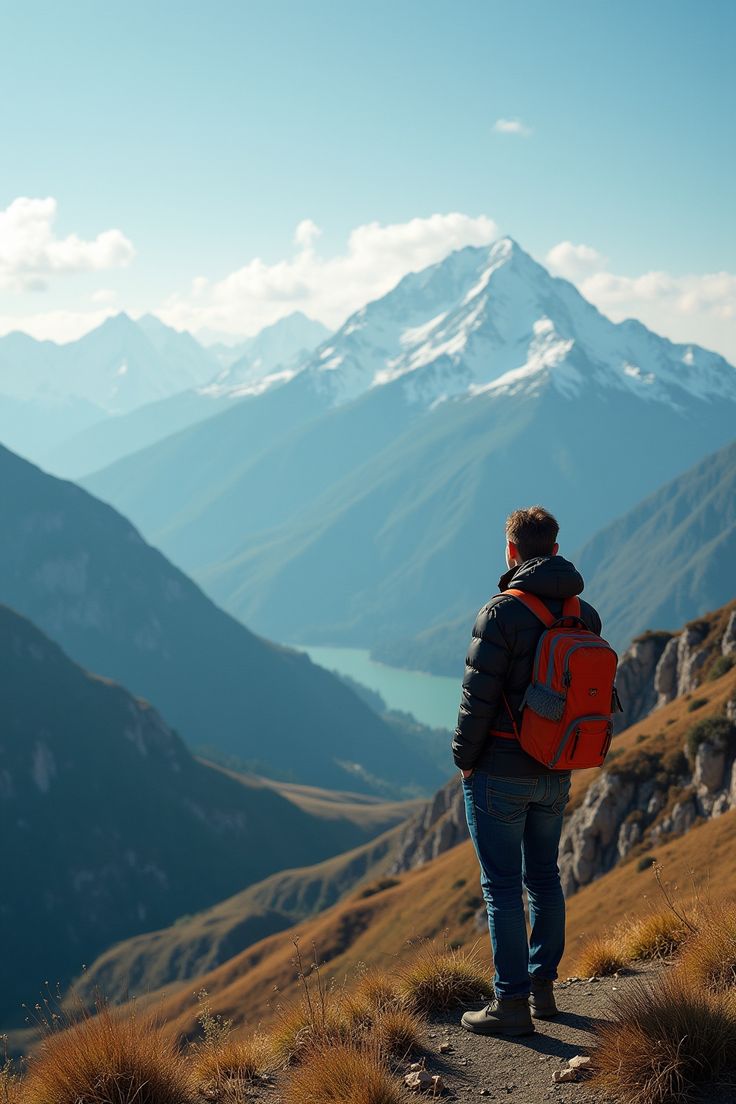
Solo travel is one of the most empowering ways to explore the world. Traveling alone allows you complete freedom to choose your destinations, pace, and experiences. It can foster personal growth, self-reliance, and confidence while giving you a chance to immerse yourself in new cultures and landscapes without compromise.
While solo travel offers independence and adventure, it also requires preparation and awareness. By understanding safety, planning, and practical tips, solo travelers can enjoy their journey fully and confidently.
Benefits of Traveling Alone
- Freedom and Flexibility: You control your itinerary, pace, and activities without compromise.
- Self-Discovery: Solo travel encourages reflection, resilience, and personal growth.
- New Connections: Being alone often encourages interactions with locals and fellow travelers.
- Skill Development: Problem-solving, decision-making, and adaptability are enhanced.
- Empowerment: Successfully navigating new places alone boosts confidence and independence.
Planning Your Solo Trip
- Choose the Right Destination: Consider safety, language, accessibility, and local culture.
- Research Local Customs: Knowing cultural norms helps avoid misunderstandings and shows respect.
- Set a Budget: Plan accommodation, transport, meals, and activities to prevent stress during travel.
- Book Essentials in Advance: Flights, accommodation, and initial transfers provide security and peace of mind.
- Create an Emergency Plan: Keep copies of documents, contact numbers, and insurance information.
Safety Tips for Solo Travelers
- Share your itinerary with family or friends and check in regularly.
- Stay in well-reviewed accommodations and avoid unsafe areas.
- Blend in with local culture to avoid standing out as a tourist.
- Trust your instincts; avoid situations that feel unsafe.
- Carry a small emergency kit including first aid, basic tools, and essential medication.
Choosing Accommodation for Solo Travel
- Hostels: Social and budget-friendly with opportunities to meet other travelers.
- Guesthouses and B&Bs: Often family-run and provide a home-like atmosphere.
- Hotels: Offer privacy and safety but may be less social.
- Vacation Rentals: Ideal for longer stays, providing flexibility and independence.
- Homestays: Live with local hosts to gain cultural insights.
Transportation Tips for Solo Travelers
- Use reputable public transport, taxis, or ride-sharing apps.
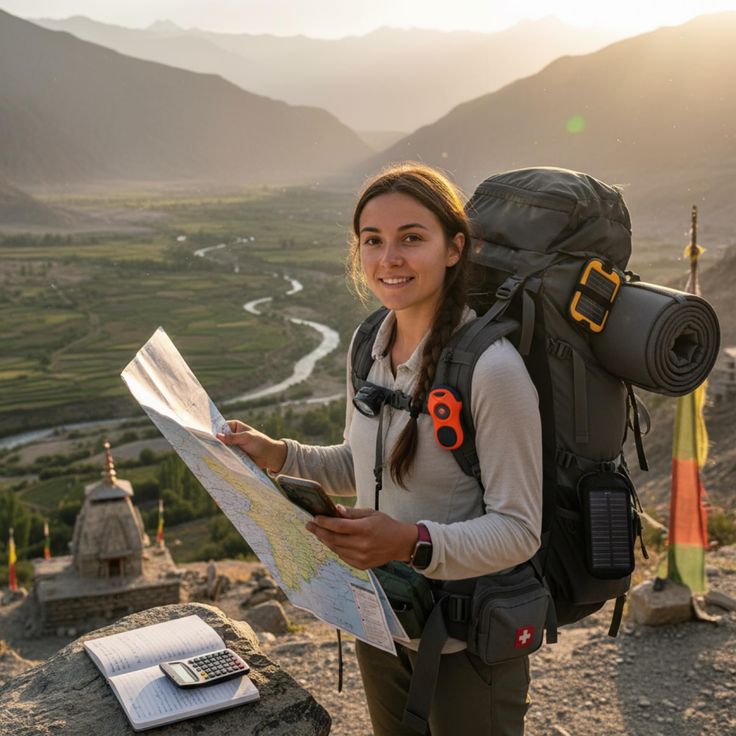
- Plan routes ahead using maps or transport apps.
- Keep personal items secure, especially in crowded transport.
- Consider walking or cycling for short distances to explore neighborhoods.
- Rent vehicles only from certified providers and follow local driving rules.
Eating and Dining Alone
- Choose cafes or restaurants with communal seating for social interaction.
- Try street food and local markets for authentic experiences.
- Learn basic phrases in the local language to order and communicate.
- Keep meals light and budget-conscious when exploring multiple locations daily.
- Consider cooking in hostels or rentals for cost-saving and local engagement.
Activities Ideal for Solo Travelers
- Guided Tours: Walking, biking, or cultural tours provide safety and learning opportunities.
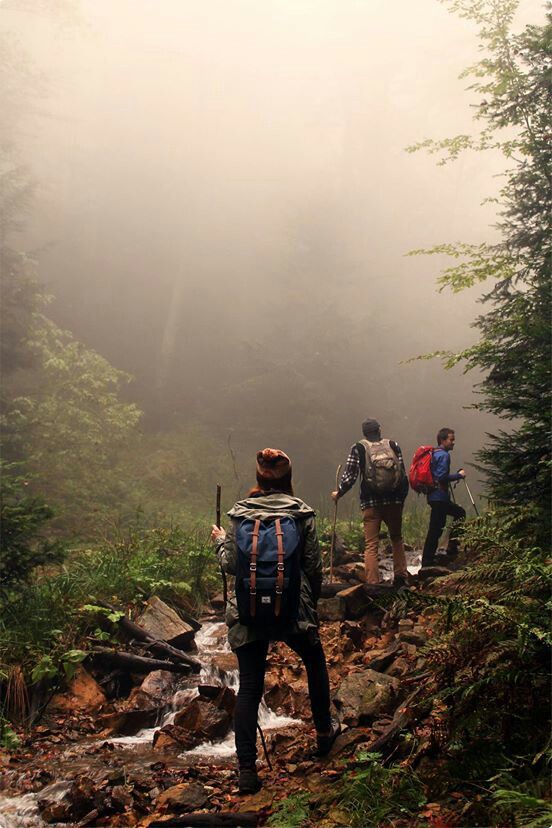
- Outdoor Adventures: Hiking, kayaking, and nature exploration build confidence and independence.
- Workshops and Classes: Cooking, art, or language classes connect you with locals and other travelers.
- Museums and Cultural Sites: Enjoy self-paced learning and personal reflection.
- Volunteering: Engage meaningfully with communities while traveling.
Managing Finances While Traveling Solo
- Carry multiple payment options: cash, credit/debit cards, and mobile wallets.
- Track expenses using apps to stay within budget.
- Research free or low-cost activities in each destination.
- Use travel passes for public transportation to save money.
- Consider travel insurance to cover unexpected incidents.
Solo Travel Etiquette
- Respect local customs, dress codes, and cultural norms.
- Be mindful of noise and behavior in shared accommodations or public spaces.
- Engage respectfully with locals; ask before photographing people or private property.
- Leave places cleaner than you found them, contributing positively to the environment.
- Practice patience and flexibility when dealing with unfamiliar situations.
Overcoming Challenges in Solo Travel
- Loneliness: Join group activities, meet fellow travelers, or attend workshops to socialize.
- Language barriers: Learn basic phrases or use translation apps.
- Navigation difficulties: Use GPS, maps, and local advice.
- Unexpected changes: Stay flexible and maintain a calm mindset.
- Health concerns: Carry medications, maintain hygiene, and have travel insurance.
Essential Packing Tips for Solo Travelers
- Pack light to reduce mobility issues and travel costs.
- Include versatile clothing suitable for multiple climates and occasions.
- Carry safety essentials: whistle, flashlight, and portable locks.
- Use travel organizers for easy access to important items.
- Bring entertainment: books, music, or offline apps for solo downtime.
Frequently Asked Questions (FAQs)
1. Is solo travel safe for women?
Yes, with proper research, safety precautions, and situational awareness, women can travel alone safely. Choose well-reviewed accommodations and avoid risky areas.
2. How do I meet people while traveling solo?
Stay in social accommodations, join group tours, attend local events, or use travel apps designed to connect travelers.
3. Can I travel solo on a tight budget?
Absolutely. Solo travel allows flexible budgeting for accommodation, food, and activities. Hostels, street food, and public transport are cost-effective options.
4. How do I stay safe while exploring alone?
Share your plans, stay alert, trust your instincts, and avoid unsafe areas. Keep emergency contacts and documents accessible.
5. How can solo travel enhance personal growth?
It encourages independence, problem-solving, cultural understanding, and self-confidence. Traveling alone fosters resilience and adaptability.